
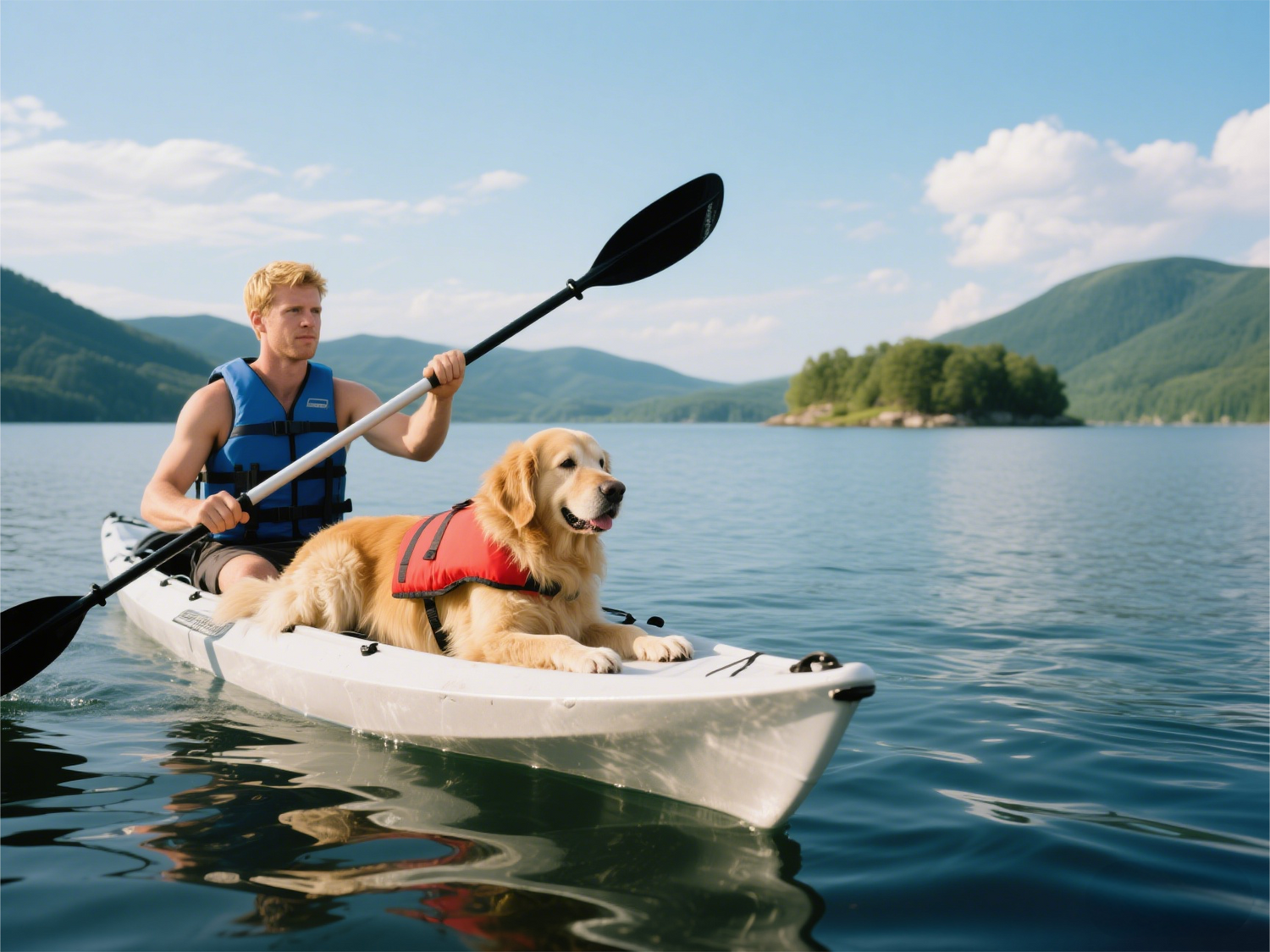
As temperatures rise, ensuring your dog stays cool becomes a critical responsibility for every pet owner. Unlike humans, dogs primarily rely on panting and their paw pads to regulate body heat, making them more vulnerable to heatstroke. Based on my experience as a certified pet trainer and owner of a Golden Retriever named Max, here are science-backed strategies to help your dog beat the heat—along with insights into how technology like the DBDD Pet Tracker can enhance safety.

1. Hydration: The Foundation of Cooling
Always provide fresh, cool water in multiple locations. Dehydration can escalate rapidly in hot weather, leading to lethargy or organ strain. Consider adding ice cubes to bowls or offering electrolyte-enhanced water (vet-approved) for active dogs. For outdoor adventures, portable collapsible bowls are a lifesaver.
Pro Tip: Avoid icy water if your dog shows signs of overheating, as sudden temperature drops may trigger shock. Lukewarm water is safer for gradual cooling.
2. Time Outdoor Activities Wisely
Schedule walks during cooler hours—early mornings or late evenings. Pavement and sand can scorch paws, so test surfaces with your hand first. For midday exercise, opt for shaded trails or indoor play. Max thrives on indoor puzzle games that stimulate his mind without physical exertion.
3. Strategic Grooming
While shaving double-coated breeds is discouraged, trimming long fur around paw pads, belly, and ears improves airflow. Use clippers with a guard (3cm minimum) to prevent sunburn and skin irritation. Regular brushing removes dead undercoat, enhancing natural insulation.
4. Cooling Gear & Environment
-
Cooling Mats/Gel Pads: These absorb body heat and provide a refreshing surface. Max loves his gel pad, which stays cool for hours without refrigeration.
-
Fans & AC: Circulate air indoors but avoid direct drafts. A damp towel draped over a fan creates a DIY cooling zone.
-
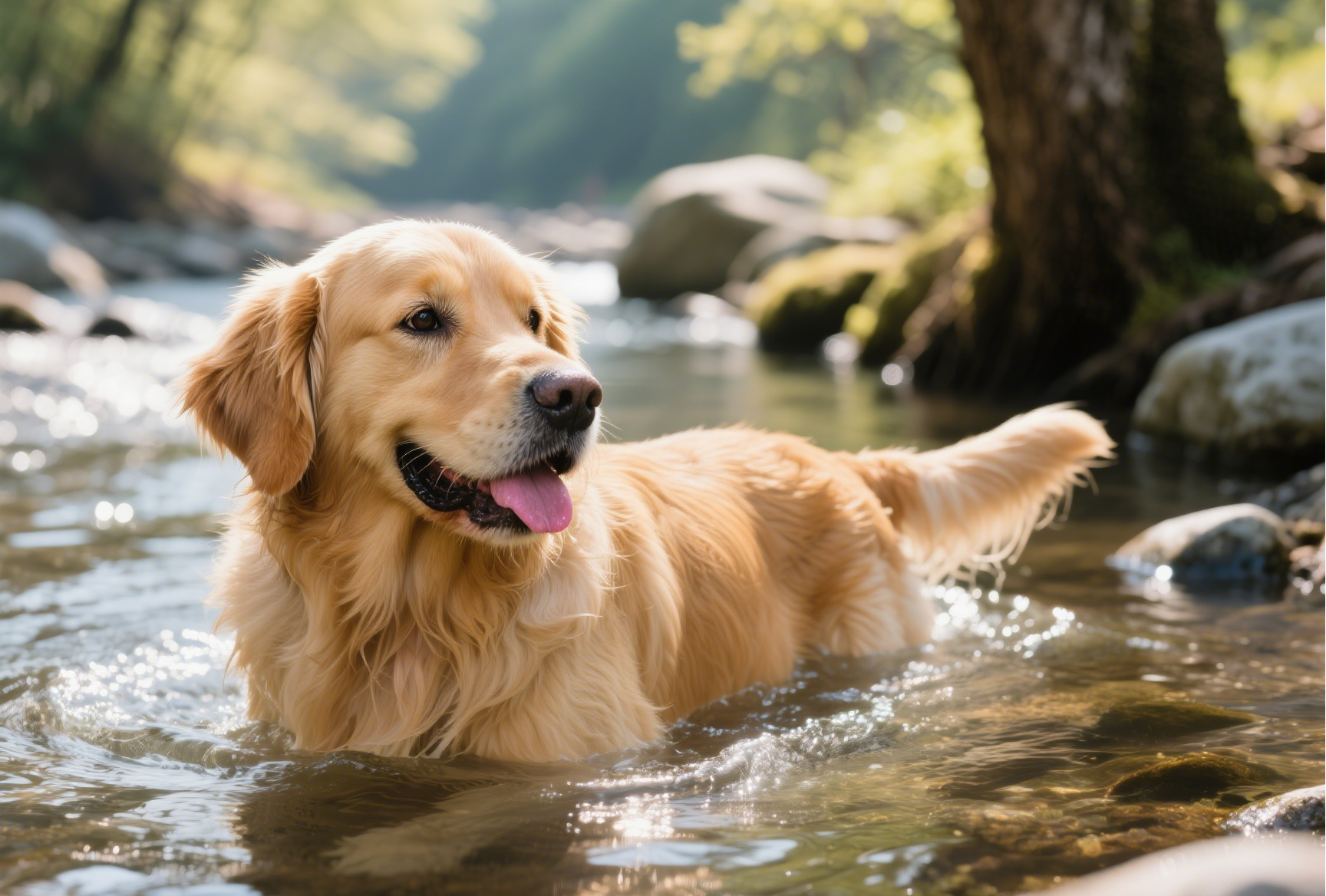
Swimming: Supervised swims in pools or lakes are ideal for cooling and exercise. Rinse chlorine or saltwater off afterward to prevent skin issues.
5. Monitor for Heatstroke Signs
Symptoms include excessive panting, bright-red gums, vomiting, or collapse. Immediate action:
-
Move to a shaded, cool area.
-
Apply lukewarm (not cold) water to paws, belly, and ears.
-
Offer small sips of water and contact a vet.

How the DBDD Pet Tracker Enhances Summer Safety
While traditional methods are vital, technology like the DBDD Pet Tracker adds a layer of proactive care:
-
Activity & Sleep Monitoring: Track rest patterns to detect overheating-related fatigue. Unusual inactivity triggers alerts.
-
AI Health Consultations: Upload photos of your dog’s eyes, gums, or skin. The AI cross-references symptoms like dehydration or heat stress, offering tailored advice.
-
Geo-Fencing: Receive instant notifications if your dog wanders beyond safe zones (e.g., shady backyard areas), preventing prolonged sun exposure.

Final Thoughts
Keeping dogs cool requires a blend of vigilance, smart routines, and modern tools. With Max, I combine shaded playtime, hydration checks, and the DBDD Tracker’s AI insights to ensure his safety. Remember: Prevention is always better than emergency care.
Stay cool, stay informed, and let technology be your ally in pet parenting!



Leave a comment
All comments are moderated before being published.
This site is protected by hCaptcha and the hCaptcha Privacy Policy and Terms of Service apply.