
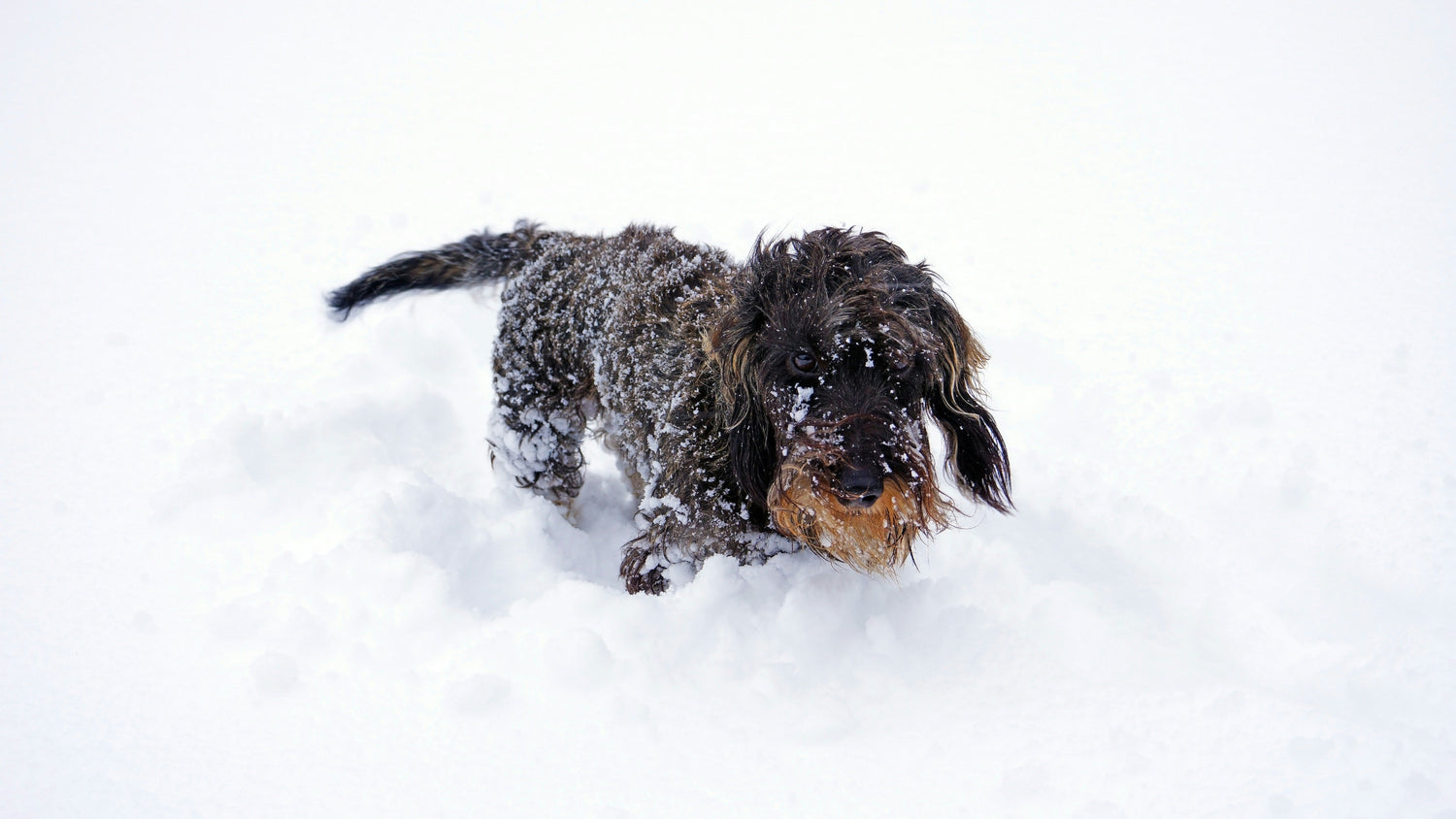
Winter can be magical—but for dogs, it also comes with hidden challenges. Cold weather, shorter daylight hours, and reduced outdoor activity can affect your dog’s health, safety, and daily routines.
Here’s a practical winter care guide to help your dog stay warm, active, and protected throughout the colder months.
❄️ 1. Does Your Dog Really Need Winter Clothing?
Not all dogs are built for the cold.
Dogs that may need extra warmth:
• Small breeds (Chihuahua, Italian Greyhound)
• Short-haired dogs (Doberman, Whippet)
• Puppies and senior dogs
• Dogs with low body fat or health issues
Tips:
• Choose well-fitted coats that cover the chest and belly
• Avoid overly tight or decorative clothing that restricts movement
• Indoors? Most dogs don’t need clothes at home unless your house is very cold
👉 If your dog shivers, curls up tightly, or refuses to walk outside, it’s probably too cold.
🐾 2. Paw Protection: The Most Overlooked Winter Care
Cold sidewalks, ice, and road salt can seriously irritate your dog’s paws.
What you can do:
• Wipe paws after every walk
• Trim fur between paw pads to prevent ice buildup
• Use paw balm or dog-safe booties if needed
⚠️ Never let your dog lick salt or antifreeze residue from their paws—both can be toxic.
🕒 3. Adjust Walks for Shorter Days & Cold Weather
Winter walks tend to be:
• Shorter
• Done in low light or darkness
• More unpredictable due to weather
Smart walking tips:
• Walk during daylight hours when possible
• Use reflective collars, leashes, or LED tags
• Shorter but more frequent walks are better than one long, cold outing
For curious or energetic dogs, visibility and location awareness become even more important in winter.
📍 4. Winter Safety: Why Location Awareness Matters More
Cold weather increases the risk of:
• Dogs slipping out of collars due to bulky coats
• Reduced reaction time in low visibility
• Dogs running off after wildlife when fewer people are outside
A reliable pet location solution can offer peace of mind—especially during:
• Night walks
• Snowy or foggy weather
• Travel or holiday routines
Knowing where your dog is can make a big difference when conditions aren’t ideal.
💤 5. Activity Drops—But Mental Stimulation Shouldn’t
Less outdoor time doesn’t mean less stimulation.
Indoor enrichment ideas:
• Puzzle feeders
• Scent games (hide treats around the house)
• Short training sessions (5–10 minutes)
• Calm chew toys
Mental exercise helps prevent boredom-related behaviors like chewing or excessive barking—common in winter.
🍲 6. Nutrition & Hydration in Cold Seasons
Dogs may burn more calories staying warm—but not all dogs need more food.
Keep in mind:
• Monitor weight before increasing portions
• Ensure fresh water is always available (hydration still matters!)
• Senior dogs may benefit from joint-support nutrients in colder weather
❤️ Final Thoughts: Winter Is About Balance
Winter doesn’t have to mean less fun—it just means smarter care.
With the right balance of warmth, safety, stimulation, and awareness, your dog can enjoy the season just as much as you do.
A little preparation goes a long way toward a happy, healthy winter—for both of you 🐕❄️

Leave a comment
All comments are moderated before being published.
This site is protected by hCaptcha and the hCaptcha Privacy Policy and Terms of Service apply.