
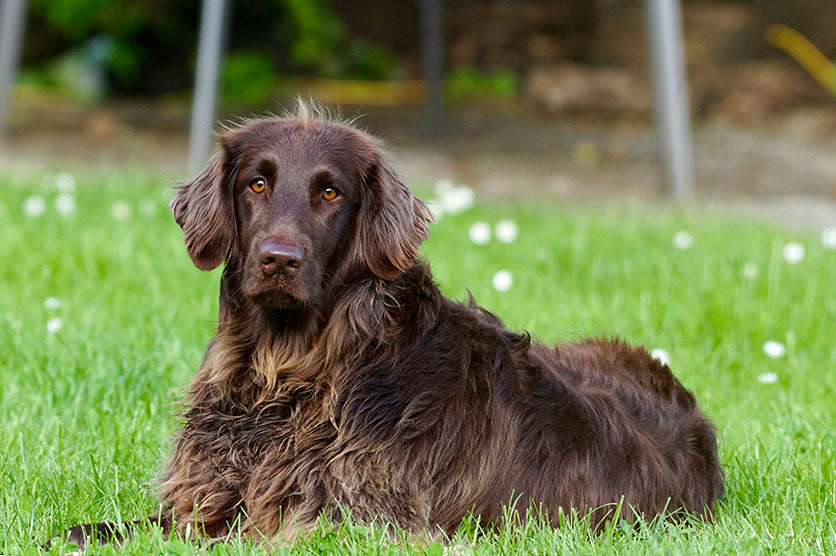
Behavioral correction for dogs is an important and patient process, here are some effective behavioral correction techniques:

Timely correction of wrong behavior
Timing: After the dog makes a mistake to immediately correct, pointing to the “scene of the crime” to say “no”, to prevent its next action, so that it understands that the owner does not like to do so. If you scold the dog after a long period of time, the dog may not understand what it has done wrong and will do it again next time.
Use a mouthpiece: For biting, barking and other misbehavior, you can wear a mouthpiece for your dog when you go out, but be careful not to wear it for a long time, and you should remove it after the dog is quiet.
Positive reinforcement and rewards
Cold drop method: for the noisy dog, the owner can use the cold drop way, ignore its barking. When the dog quiets down or performs well, then give attention and rewards.
Leash training: When taking your dog out for training exercise, use a leash to control its behavior. If your dog lunges or jumps at someone, stop him by pulling on the leash and giving the command “NO”, then reward him when he calms down.
Food control: When your dog makes a mistake or is disobedient, you can choose not to give food for a while to keep your dog properly hungry. When the dog cooperates, then feed to reward.
Corrections for specific behaviors
Protecting food: When the dog is eating, you can move its bowl slowly to clarify the sovereignty. If the dog shows its teeth or attacks, withdraw the food; if it is quiet, reward it immediately. At the same time, you can feed by hand so that the dog follows the owner's rhythm.
Housebreaking: Increase the length of walks to deplete your dog's energy and have teething toys available for him. When the dog breaks down the house, stop it in time with the command “NO”. For medium to large sized dogs, stick to caging in the early stages.
Urinating and defecating anywhere: Walk your dog promptly after feeding to allow it to defecate in a timely manner. At the same time, prepare urine pads and dog toilets, guide the dog to pee and poop at regular intervals and give timely rewards.
Resist cleaning: Choose a mild and non-irritating bath product that is well accepted by your dog and clean it patiently. During the cleaning process, you can touch your dog's ears, chin and the whole body, so that it can get used to the contact during cleaning as soon as possible. After cleaning, give rewards in time.
Other considerations
Patience and persistence: Training dogs requires patience and persistence, and cannot be rushed.
Consistency: Family members should maintain a consistent approach and attitude when correcting the dog's behavior.
Avoid excessive punishment: Do not use excessive punishment, such as scolding, etc., which may make the dog fearful and rebellious.
In summary, dog behavior correction requires a combination of techniques and methods that are adapted to the dog's specific situation. Through patience, persistence and positive reinforcement training, you can help your dog develop good behavioral habits.

Leave a comment
All comments are moderated before being published.
This site is protected by hCaptcha and the hCaptcha Privacy Policy and Terms of Service apply.